Queen Anahita platform worldwide
فرشتگان در لباس شاهی - Angels in Royal Attire
The art that reveals a lost secret
John Williams
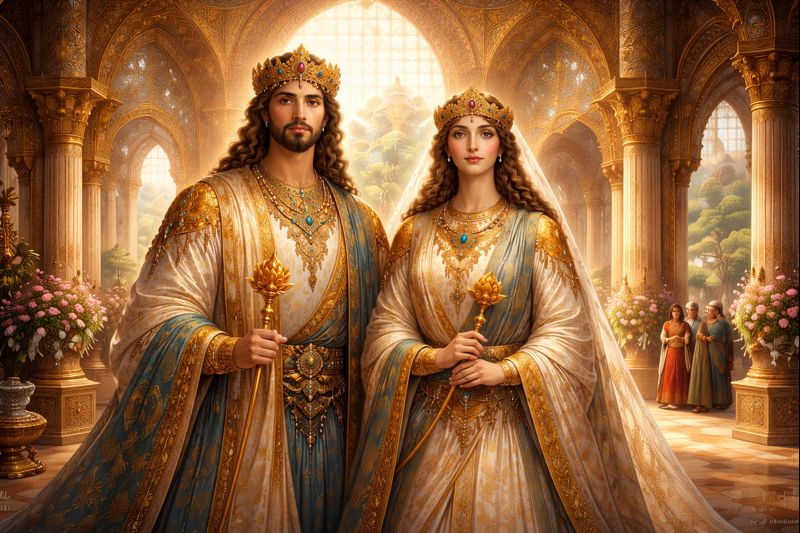
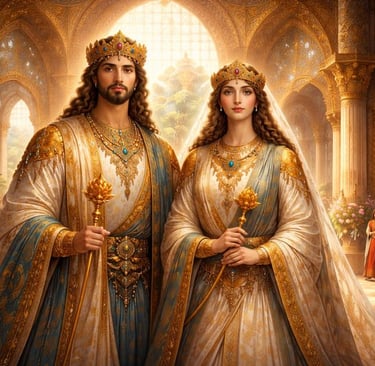
In my observation when I look at Sassanian era inspirations in art, like Manichaean paintings, angels do not look distant or unapproachable.
They look familiar—and welcoming.
They wear flowing robes, decorated collars, and gentle crowns, much like Persian kings and nobles. At first, this may seem surprising. Why would heavenly beings dress like people from the royal courts? The answer is simple: the painters wanted everyone to recognize their guidance and authority at a glance. Clothing was a universal language of respect and order.
By dressing angels in this way, the artists made them approachable and reassuring. These angels are leaders, but leaders who inspire rather than intimidate. They show that true guidance is calm, balanced, and kind. Earthly rulers were reflections of this higher example, reminding communities that respect, dignity, and fairness are values anyone could aspire to.
Even without words, these figures communicate a sense of stability, care, and protection. Wherever the manuscripts traveled, people could feel that the angels were watching over them, helping them understand right from wrong, light from darkness, and order from chaos.
Today, fragments of these images—a sleeve, a collar, a soft golden halo—still carry that same warmth. They remind us that leadership and authority are most meaningful when they guide and support others with patience and clarity.
In every gaze, every fold of the robe, every heartbeat within Persian art, we see a gentle invitation:
to learn, to rise, and to shine together.
Queen Anahita Gallery
© 2024. All rights reserved.